Showing posts with label Tea. Show all posts

Hibiscus (Hibiscus Malvacearum)


Hibiscus (Hibiscus)
        Plant hibiscus has several synonyms, some of them Chinese rose or African Malva. Allegedly 130-150 species are known, and can be wild and cultivated, annual and perennial, and from light to dark red of rose. Some of the hibiscus plants are tropical hibiscus, hardy hibiscus, yellow hibiscus, red hibiscus, blue hibiscus, pink hibiscus, Hawaiian hibiscus and more. Hibiscus tree or hibiscus plant is a bushy annual plant. In our region it's flourishing in the period from July to September. Hibiscus is propagated in several ways: by grafting, noodles and sowing seeds. Whether it is a small or normal growth reaches 2, 5 yards, his appearance is always elegant. Hibiscus is one of the finest and most exotic flowers, tropical countries. He is probably the most versatile plant species on the planet. Many gardens and living rooms in Asia are filled with hibiscus flowers. In China, known as China rose and is synonymous with wealth, while in Malaysia, was put on the national flower.

        
In Egypt hibiscus already known for centuries as national drink and a plant, which cures many diseases due to the high percentage of organic acids and vitamins. Drink it as a refreshing beverage on a hot summer day, whether it is cold or warm. According to some data, hibiscus tea was the favorite drink of Egyptian Faraon. He was the companion of all major celebrations where served as toast. Parts of the flower used to make a popular drink in Egypt called Karkade. Various parts of the plant are used in the making: jams, spices, teas, soups, and sauces. Flowers are used in pharmaceuticals and cosmetics. There are some species of hibiscus which are used for eating unripe fruit. Hibiscus tea is a very popular drink.

Hibiscus (Hibiscus)

        
Most popular herbal teas differs recognizable red, sour taste, and a large amount of vitamin C. It is rich in flavonoids and its role in the recovery of a large organism. We are under intense aroma and promotes alertness. Hibiscus acts to increase appetite, and has applications in curing colds, heart and nerve diseases, pain and swelling (inflammation) in the upper respiratory tract. It helps to maintain fluid in organism, stomach problems and circulatory disorders. Serves as a mild laxative and diuretic. Food and drink, hibiscus is used because of the smell, taste and color. It enhances the flavor, taste and appearance of many blend teas.

        
The medicinal properties of hibiscus derived enzymes, essential oils, vitamin C and flavonoids, and among other things he also acts as an antioxidant. Hibiscus fruit acid can act as a laxative. Some scientists believe that other constituents of hibiscus can work to reduce blood pressure, relieve spasms in the stomach, intestines and uterus, as well as being able to act as antibiotics, anti-bacterial and anti-worm. There is insufficient evidence that hibiscus helps when problems with high cholesterol. An older study showed that one gram of a particular leaf extract of hibiscus daily has a beneficial effect on cholesterol levels. Studies have shown that people with mildly elevated blood pressure who drink three times a day certain types of hibiscus tea have lower blood pressure. This research is promising, but is hesitant to rely on Hibiscus tea to treat high blood pressure.

Hibiscus (Hibiscus)

        
It turned out that hibiscus has a beneficial effect when it comes to following symptoms loss of appetite, colds, cough, sore throat, constipation, upset stomach, fluid retention, heart disease, low immunity, nervous disorders, insomnia and superficial wounds. Yet more information is needed to Hibiscus would be considered the cure for these problems. Hibiscus is not always safe to use during pregnancy. There are times when hibiscus affects the induction period, which can cause miscarriage in pregnant women. Given that there is insufficient data on the safety of consuming hibiscus during breastfeeding, it is not recommended.

        
Hibiscus can diminish the effect of acetaminophen. Consuming beverages containing hibiscus before using acetaminophen could accelerate the release of the body from acetaminophen. It is not known whether it can cause serious problems. Appropriate dose depends on several factors, such as age, health, and other conditions. Currently, there is enough scientific facts to determine precisely dosing hibiscus.

Hibiscus (Hibiscus)

Ginseng (Panax ginseng)


Ginseng (Panax ginseng
         Ginseng (Panax ginseng) is a plant species of the family Araliaceae. Mainly grows in mountainous and forested areas in Korea, in northeastern China, and eastern Siberia. The roots are used for medicinal purposes. The term ginseng is derived from the Chinese word ren shen (rénshēn) (Man + root). Besides Panax ginseng's (whose name in Greek means all treatable) there are other species that can often be mistaken for the ginseng root, such as American, Japanese and Siberian. Although all kinds of ginseng every plant has a very different function. The only true Panax ginseng is used though, and others.

        
American and Asian ginseng root is used orally as a stimulant and for the treatment of various diseases of Type II diabetes to sexual dysfunction in men. The root is most often available in dried form, whole or shredded. The leaf is also used, although not very much appreciated. Ingredient of ginseng is found in energy drinks with tea varieties but these are the quantities that are not medically essential. In research it is difficult to verify the medicinal properties of ginseng due to various conflicting studies and different types of ginseng and its potency. Ginseng is known for its anticancer and antioxidant properties. Is presented by the taking with the other herbs and blends ancient Chinese.

Ginseng (Panax ginseng)

        
Ginsenoidi are active components that distinguish Panax species. Although its roots in the form of the most respected newspapers in fact are the ones who have the most ginsenoida. In them is 0.5 to 3% saponin mixture ginsenozides, Derivatives oleanolske acid amino acids: arginine, cysteine, tyrosine, glutamine and amino-butyric acid, several types of sugars: sucrose, fructose and galactose, 3rijetka trisaharida, starch, pectin, choline , phosphatides, vitamins C and B, about 0.5% essential oil called panaksinol, and the minerals arsenic, cobalt, copper, germanium, manganese, vanadium, and zinc.

         
Most often used in the form of finished products (toner, capsules, tablets), and lately can and I get to the root of the plant pharmacies. Ginseng invigorates, cleanses the blood, helps against poor or disturbed metabolism, sclerosis, rejuvenates the body by improving its function. Prevents heart attacks, liver and kidney disease, hormonal dysfunction, mainly endogenous causes of most diseases, and helps against anemia, feverish condition due to cold, poor blood circulation, anti-nerve disease, depressive mood, fatigue and lack of concentration, which are all signs aging, thus refreshing and extending life, increasing intellectual capacity and memory. Beneficial effect on the body if it is taken as the first signs of vitality and loss of these conditions takes three months at a time capsule or a few cubic milliliters daily tonic or root extracts obtained by maceration in 45% brandy.

Ginseng (Panax ginseng)

        
Easterners claim that it leaves no harmful effects in humans. Therefore, its application is approved by the European Medicine, recommending that after three months of taking the medication pause mode, the duration should be adjusted to the subjective feeling of health. Recent experience has shown that ginseng lowers blood sugar, so diabetics can use it as an additional remedy. However, in case of hypoglycemia, or low amounts of sugar in the blood, ginseng should not be taken.

Ginseng (Panax ginseng)

St. John's wort (Hypericum perforatum)


St. John's wort ( Hypericum perforatum )
         St. John's wort is a perennial herb with branched roots. The stalk of St. John's wort is erect, naked, a height of 20 to 100 cm. The flowers are yellow. Flowers from May to September. Plant needs soil medium nutrient rich and moderately warm and moderately bright habitats. The plant consists of hyperycine, pseudohipericina, izohipericina (in bloom), hyperoside, quercetin, rutin, quercitrin, biapigenina, amentoflavona, catechin, epicatechin, chlorogenic acid, hiperflorina, carotenoids, sterols, and essential oils. St. John's wort is used as an antidepressant, sedative and as an antibiotic. St. John's wort can also be used for outdoor use. The active substance is hiperflorin. St. John's wort extract increases the concentration of the neurotransmitters serotonin and norepinephrine in the synapses. St. John's Wort oil (Oleum hyperici) is a widely known and used for mitigation and treatment of burns. Obtained by maceration of fresh flowers Klamath olive oil. Antidepressant activity is already known in the Middle Ages by Paracelsus, and school medicine in the 70-ies of the last century confirmed. It is said that St. John's wort, which blooms in midsummer collects the sun's rays to give them to people during the dark months.
St. John's wort ( Hypericum perforatum )

         The original homeland of her is Europe (Asia Minor and Greece) and Siberia. Ubiquitous in all subtropical and temperate zones. Once used to exorcise evil spirits and dealing with the consequences of snake bites. According to traditional belief because the reddish oil juice (such as blood), which occurs when the plant broke, so they were curing skin diseases because the skin is also bleeding. While this is still frivolous, there are scientific confirmation in treating bruises, burns and other wounds. Requires regular watering and soil moisture. It grows everywhere. The plant has a peculiar odor, pungent, bitter and aromatic flavor. It is used for decoration and for the medicine: to decorate the slopes of ramps, the beams, the edges of the leaves so characteristic interspersed with numerous translucent dots (glands filled with essential oil) so they look finely drilled and hence the name of the plant - perforatum. Leaves are arranged oppositely, ovoid - blunt, smooth stems with lots of translucent spots on the rim with black spots. Well developed golden flowers with 5 petals, bottom also have black spots, forming bloom. Rubbing flowers emit blood-red juice. Petals are 3-4 times longer than the calyx and asymmetric. The plant blooms the entire summer and medicinal parts are located on the upper half of the plants in bloom. The root is not intended to cure. Therefore, the plant can not and should not start pulling out of the country.


St. John's wort ( Hypericum perforatum )
         St. John's wort contains iron, various tannins, essential oils, resins, anthocyanins, hypericin - red, carotene, choline, vitamin C (in fresh plant about 30%), and some traces of alkaloids. For the preparation of the flowers dried in shady places (in the shade), and later used in pharmaceuticals: ether oil, tea, wine and tincture. It is used to improve mood, stimulate the digestive organs, alleviating rheumatism (back pain), in people who wet the bed, and for sprains, strains, the hematoma. The plant has a photosensitive effect, so it is necessary at the outset application to warn the patient not to be exposed to the sun, that he would not have turned on the skin, and one of the side effects people who are photosensitive when exposed to the sun in the form of swelling of lips - like a horse. Hypericin, which is effective in depression, causes the photosensitivity. If used concomitantly with conventional medications for depression, the combination can be overpowering and unnecessary cause other serious side effects. Some patients who have been taking St. John's wort are experiencing digestive difficulties, anxiety or a mild allergic reaction.

St. John's wort ( Hypericum perforatum )

Black tea benefits

       Black tea is made from the leaves of the Camellia Sinensis plant as Green tea. The leaves are dried and fermented, which gives the tea a darker color and richer flavor than green tea that does not undergo the fermentation process. Depending on the strength of black tea contains about 50 mg of caffeine per cup. Green tea contains 8 to 30 mg per cup and coffee contains 100 to 350 mg.
Black tea benefits

        
Black tea contains a number of antioxidants, which help the body fight against free radicals. These antioxidants include quercetin which is an excellent anti-inflammation and strengthens the immune system. Black tea contains an average of 200 mg of flavonoids in a cup, and it represents 78% of the world's tea production. It is most commonly consumed tea in the Western population. Black tea contains more complex flavonoids than green tea.

        
To date, research on the effects of black tea on cardiovascular health has given mixed results. A study in 2007. at 31 adult (aged 55 years and older) finds that six months of drinking black tea had no significant effect on cardiovascular risk factors. 2009. The review of nine previously published studies (including a total of nearly 195,000 participants) comes to the conclusion that three cups of black or green tea a day cut their risk of stroke by 21 percent.

Black tea benefits

       
In a laboratory study published in 2009., Scientists have found that compounds in black tea were more effective in slowing the absorption of sugar in the blood than those from green tea and oolong tea. In addition, a study from 2009. conducted on 1040 elderly adults, finds that the prolonged use of red and / or green tea is associated with reduced incidence of diabetes. While some studies suggest that regular consumption of black tea may reduce the risk of cancer, others say there is no link between cancer and the intake of black tea. Moreover, some research suggests that drinking black tea may be associated with an increased risk of breast cancer.

Black tea benefits

      
For consumption of black tea has not been proven that it can prevent or treat any medical condition. Although drinking black tea may offer some health benefits, it is important to consult your doctor to determine what amount may be appropriate for you. For some individuals, high doses of caffeine can lead to many adverse effects, such as anxiety, increased heart rate, increased blood pressure and worsening symptoms of ulcer.

Yarrow (Achilea millefolium)


Yarrow (Achilea millefolium)
        What is Yarrow? Some of you may be typing in google search right now what is Yarrow. Well Yarrow is a perennial herb with unbranched stem, layered leaves and tiny white and pink flowers arranged in the shape of a shield. It grows 7-70 inches. Rhizome is thin and horizontal. Yarrow can constitute up to 50 cm long roots with sterile shoots. Yarrow leaves are divided in many ways, where he names the name Latin mille - a thousand folie - list. The lower leaves are woody, and the top are sedentary and have increased basal hairs. Yarrow has always been known to have many medicinal properties. Thus the brigands privijali early and deadly, because it speeds up blood clotting and stop bleeding they are called milfoil.

       
It usually grows in meadows, pastures, semi-arid steppe, grasslands, rocky areas, forest clearings, as well as the fields and vineyards. In the Alps rising until 1900 m above sea level. Almost cosmopolitan is widespread throughout Europe, only in the Mediterranean area somewhat rarer. Blooms white flowers from June to August. Are harvested during the flowering and the leaves until fall. Botanic name was given to the Greek hero Achilles-Achillea, and it means to give strength. Harvested in July and August, on a dry or windy in the dry place at a temperature of 35 to 50 degrees. It is kept in a bag , protected from light, and the shelf life of dry yarrow is about two years. It has the highest quality ingredients when harvested on sunny days.

Yarrow (Achilea millefolium)

       
It is rich in vitamin K, eteric oils, bitter substances ahilein and azulene, from which her medicinal use coimes from. Upper part of the plant in bloom contains up to 1% of essential oils (pharmacopoeia requires a minimum of 0.13%), flavonoids, vitamin K, a bitter substance ahilein, resins, stereological, tannins, etc. The oil milfoil is obtained by steam distillation and contains pinene, cineole, thujone, camphor, limonene, borneol.

        
In the old books about plants this plant is designated as the salvation for all difficulties, and can be applied in areas where it seems that every effort is useless. Its strength in purifying the blood from the body can ward off many years of illness. Just to tempt you.

      
It's not very well known that Yarrow directly and it works best on the bone marrow, because it stimulates the production of blood. That helps with diseases of the bone marrow, in which does not help anything, even with bone abscess from applied treatments with tea, bath and massaging kunicinom tincture. It is good remedy for bleeding in the lungs and can together with calamus cure lung cancer. Iđirotov root to chew on during the morning and evening by drinking a cup of tea kunicinog, sip by sip.

Yarrow (Achilea millefolium)
        Bleeding in the stomach and severe bleeding hemorrhoids, as well as the pressure in the stomach and severe heartburn, tea helps very quickly. When cold, backache and rheumatic pain should drink as tea hotter from Yarrow. Tea encourages proper kidney function, stimulate the appetite, eliminates flatulence, stomach cramps, liver disorders, inflammation of the stomach and intestinal tract, increase labor intestinal glands, allowing regular chair.

      
It is strongly recommended for angina pectoris because they work best for disturbances in the circulation and narrowing of blood vessels. Disease in which the Yarrow is used as cure for cancer in the uterus (daily tea drinking as much as we can), inflammation of the ovaries, whites, wetting the bed (bath of Yarrow), myoma, lack of menstruation (every morning to drink a cup of tea), menopause (regularly drink tea) inflammation of the nerves in the hands and feet (baths for hands and feet with the addition of Yarrow), a painful rush of blood to the head, dizziness, nausea, eye disease with tearing, shooting pains in the eyes, nose bleeds, migraines (hot tea to drink sip by sip . regular use of migraine may disappear).

Yarrow (Achilea millefolium)

Tea tips

        Medicinal plants can provide us with a variety of relief when some problems that we have occure. Medicinal teas and herbal remedies are made from plants that contain substances that affect the treatment of the disease and relieve symptoms. This is the oldest form of healing known to almost everyone. Tea is probably the most popular after coffee drink.


Tea tips

       
The recommended daily amount of tea should not be over due, not recommended either to begin immediately with large amounts of tea until the body gets used. Each body reacts differently to everything and the drug in the tea so you should start slowly with therapy until I found the ideal amount. From the plant and its medicinal substances depends on what the recommended amount of tea.

       
Teas such as chamomile or mint (peppermint), if consumed daily can cause allergic reactions in some people. These teas are best if you drin themk when you have an acute problem (pain). But if you take it each day by drinking two cups, can cause the opposite reaction. Therefore it is advisable to drink herbal teas when necessary. It is also advisable to mix teas, means that every day is not drinking the same tea. While other teas such as green are very desirable for consumption because they contain caffeine and strong antioxidants. Experts recommend not consuming teas that are packed in filter bags, because they are packaged teas in teabags very finely cut and thus that lead to the loss of a large number of medicinal substances and especially essential oils.


Tea tips

       
On brew greatly affect whether it's a fresh or dried plant, part of the plant is used and how long the plant is kept in hot boiled water before you drain out. Thus, for example, with sage in the first minutes in boiled hot water first secrete essential oils, and only a little bitter substances, and if the tea leaves in the water long before juicing, increase the amount of bitter substances in tea. Sage tea that are left in the water for 1-3 minutes before draining, has  disinfecting effect and improves appetite and digestion, and if left for 10-15 minutes, then it reduces sweating and pain.

       
With flowers, leaves or finely shredded bark or roots is the best one coffee spoon of dried herb mix to one cup (150-200 ml) of boiling water and leave 3-10 minutes. It is important to cover pots to keep essential oils in tea. If it is fresh plant, take 2-3 teaspoons herb per cup, and it is enough to take a short pour boiling water because the plant's quickly transfer their aromatic substances in water.

       
In plants with a lot of mucus, such as flaxseed, marshmallow, and the like, the plant leaves 1-5 hours in cold water to be separated the mucus. After straining the tea may be a short warm up and so you get a cold drink or use for baths or compresses. Roots and bark are impregnated in cold water, then boil, short while to cool and drain.


Tea tips

       
For the curative effect it is enough to drink two to three cups a day. Additives such as milk, honey or sugar can reduce the effects of medicinal tea and better not to use if not found in tea, especially for milk protein it contains. Exceptions are teas cough where your honey anti-bacterial effect enhances healing.

Sage (Garden Sage / Salvia officinalis)


Sage (Garden Sage / Salvia officinalis)
        Sage, known also as garden sage or kitchen sage , is a folk remedy that has been used since ancient times. These days sage tea helped me with the inflammation of the gums. What antibiotics and nonsense when we have sage and sage tea as a natural yet effective cure. In Latin salvia salvare comes from the word, which means to save, to heal, as the ancient Romans used it to treat a variety of ailments, and officinalis means salutary. The English word for sage Sage, signifies wisdom, and they used to stimulate concentration, to increase memory, and is thought to contribute to a longer life.         Until the advent of antibiotics, sage tea has been used for sore throat, hoarseness, inflammation of internal organs for vaginal douches, sweating in tuberculosis, fungal infections, and many others. In medical terms Sage and sage tea is a broad spectrum antibiotic. Applied for controlling sweating, menstrual disorders, to strengthen the nerves, to purify the liver and in rheumatism.

Sage (Garden Sage / Salvia officinalis)

        
Sage is a branched shrub with a height of 30-40 cm, perennial woody stems. The leaves are silvery white, heart-shaped, lumpy, hairy. The flowers are dark blue - purple, dvousnati, while the tips of stems forming Classes vertebrae. All parts of the plant have a strong aromatic odor. Sage grows wild on dry terrain and The coastal area, and is the most widespread of the Adriatic islands. Likes sunny places, because it is sensitive to wind and cold. Blooms from May to June. Favorite grazing for bees, and her honey is among the most valued type of honey in the world.


Sage (Garden Sage / Salvia officinalis)

        
Sage contains a variety of beneficial ingredients by the body. Some of them are potassium, calcium, sodium and essential oil whose components are cineole, camphor, borneol and other ingredients. It also contains a bitter substance karnozol, triperpenske acids, flavones and their glycosides, tannins.

        
Healing properties of these plants are known by the ancient writers. Pliny called it "salvia" (healing), which is derived from the Latin word "Salvus" (healthy). The old Roman proverb says, "threatens to death, by a sage in the garden." In the Middle Ages enjoyed a great reputation because it was considered to be a means of extending the life and expelling demons. But then came the 400-page book that talked about its use and operation.

        
Sage has antiseptic, bactericidal, fungicidal, anti-inflammatory activity virustatično. Her tea cleanses the respiratory system, sore throat, pharynx and tonsils, and helps with hoarseness. It is believed that it helps even the sanitization caverns in pulmonary tuberculosis, because it contains tannins, which stops bleeding. Also tea stops heavy sweating lung patients, young at puberty, women in menopause and after childbirth. It is interesting that a slight tea promotes sweating and strong stops and prevents ga.

        
Sage is used for skin problems, wounds that do not heal, eczema and itching. It is extremely effective for pain and cramps in the stomach, restores appetite and soothes the stomach and intestinal inflammation, and pain in the liver and bile bag. Sage is a natural effective help for problems with the urinary tract, and particularly difficult urination. The ancient Romans had used it in the treatment of infertility, because a strong effect on female sexual organs, and eliminates the tendency to abortion. Sage boiled in half water and half wine cleanses the blood, strengthens the nerves, stops shaking hands.

Sage (Garden Sage / Salvia officinalis)

      
Sage tea helps with rheumatism, and protects against infectious diseases. Sage strengthens the hair and gives it shine. Gargling and rinsing your mouth sage makes teeth healthy and beautiful, helps ulcers and bad breath from the mouth. Because of the many beneficial effects on health is very desirable sage spice in their daily diet. Its leaves are put into pies and other cakes with apples, and other foods with added parsley and celery.

       
Sage is used in the form of tea, tinctures, essential oils. For internal use of sage tea spoon to pour one cup of water and cook for 3-5 minutes, and for external use (flushing, disinfection) can not cook but sage tea poured boiling water, cover and let it rest for half an hour, after which the strain and rinsed several times daily. The oil of sage is responsible for its antiseptic properties, so it is important not to make tea and hang, that the essential oil would not evaporate. For internal use tea is boiled, evaporated to components that can effect the seizure, if used in large doses. Basically if you have any of the problems that can be solved by Sage do not hesitate to try it, you might be pleasantly surprised by its quality.

Elder (Elderberry / Sambucus nigra)


Elder (Elderberry / Sambucus nigra)
        Elder, or elderberry , to some known as Sambucus, is a plant of the family Adoxaceae that grows in Europe, northwest Africa and southwest Asia. Elderberry has branched shrub or tree that can be 3 - 7 feet tall. Elder branches are hollow, woody, filled with spongy pith. Elder leaves are pinnate, growing opposite. The flowers are small, with five petals, yellowish white and make flat branched inflorescence. The fruits are purple-black berries with a red and blue juice.

        
The whole Elder plant has an iron, potassium and sodium, and berries, and malic acid. Bark, roots and leaves of Elderberry are harvested in the spring, flower in June, while not entirely abloom, and berries in late summer when they mature. The exterior of the peel is discarded, used only the inner, green. The flowers are picked when they are dry and warm days, certainly not after the rain. Droughts are hanged at the draft as soon as possible and stay dry yellow-white. If flower darkens should throw it away.

Elder (Elderberry / Sambucus nigra)

        
Elder is used against colds, cold, flu, sore feet, middle ear infections and tonsillitis. Boosts sweating and urination. Helps with coughing, kidney disease. When kidney disease is a real tea-leaves bazgovog. From elder flowers are real tasty Elder syrup diluted makes a refreshing drink and is also good for the respiratory tract. Elder juice is also made from Elderberry.

Elder (Elderberry / Sambucus nigra)

         
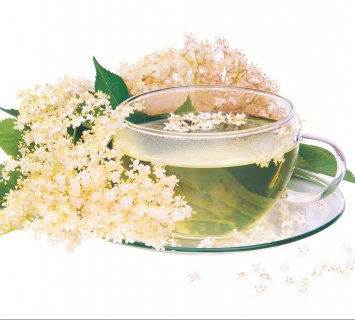
So Elder is used in many ways like in Elder syrup,  Elder juice, and sometimes jam. The fruit is eaten by many birds. Some have considered weeds. The fruits are called edible after cooking, but everyone else green and immature parts of the plant are poisonous due to high amounts of calcium oxalate crystals. Tea made from leaves and shoots calls are used to promote excretion of urine, accumulation of fluid in the body, for the treatment of diabetes as well as for cleaning and improving the blood.        Tea made from the flowers is called is used in the treatment of colds, bronchitis, coughs, flu, initial pneumonia, severe sneezing, measles, scarlet fever, wheezing, asthma, tuberculosis at home and in all rheumatic diseases. Bark of the branches of the trees used for preparing tea, which removes difficulty urinating, disturbances in the kidneys and bladder, heals dropsy and hard stool.

Elder (Elderberry / Sambucus nigra)